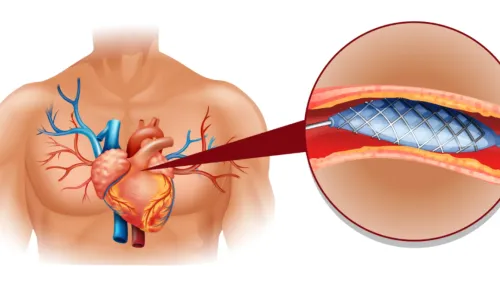

Being told that a coronary artery contains a blockage can be worrying, and one of the first questions patients often ask is whether they need Angioplasty. The answer depends on more than the presence of narrowing itself.
For patients in Bangalore, Karnataka, understanding the factors involved in this decision can make discussions with the treating cardiologist clearer.
A Blockage Percentage Is Only Part of the Picture
Coronary angiography can show where arteries are narrowed and provide information about the severity and pattern of coronary disease.
However, treatment decisions are based on the broader clinical picture.
Cardiologists may consider:
- The patient's symptoms
- Whether the presentation is stable or acute
- Location of the narrowing
- Extent of coronary artery disease
- Heart pumping function
- Results of relevant tests
- Diabetes and other medical conditions
- Previous cardiac procedures
This is why two people with apparently similar reports may receive different treatment recommendations.
When May Angioplasty Be Considered
Angioplasty and stenting may be considered when opening a significantly narrowed or blocked coronary artery is expected to provide clinical benefit.
The procedure is also an important treatment in particular acute heart attack situations where restoring coronary blood flow rapidly can be critical.
In stable coronary disease, the decision may involve a more detailed comparison of medical treatment, angioplasty and, for certain patients, bypass surgery.
What Should Patients Ask Before the Procedure
Patients preparing for a planned procedure can ask their cardiologist:
- Which artery is affected?
- How significant is the narrowing?
- Why is angioplasty recommended in my situation?
- Are there reasonable alternatives?
- Is a stent likely to be required?
- What medicines will be necessary afterward?
- What follow-up will I need?
Dr. Kumar Kenchappa evaluates patients with coronary artery disease in Bangalore and discusses treatment pathways according to clinical findings and appropriate cardiac investigations.
Treatment Continues After a Successful Procedure
A successfully treated narrowing does not remove every factor responsible for coronary artery disease.
Long-term management may include prescribed medicines, cholesterol reduction, blood pressure management, diabetes control, tobacco cessation, dietary modification and suitable physical activity.
Patients prescribed antiplatelet medicines after stent placement should understand their medication plan and discuss any proposed interruption with the treating medical team.
Make the Decision Around the Individual Condition
Angioplasty can be an important cardiac intervention, but it should not be viewed as an automatic response to every coronary narrowing.
The reason for intervention, expected benefit, alternatives and post-procedure responsibilities should be clearly understood.
For Bangalore patients evaluating treatment for coronary artery disease, a detailed cardiology consultation can help establish whether medical management, catheter-based intervention or another treatment strategy is appropriate for the specific pattern of disease.
Keywords